Premium wearable resistance for your training and everyday movement.
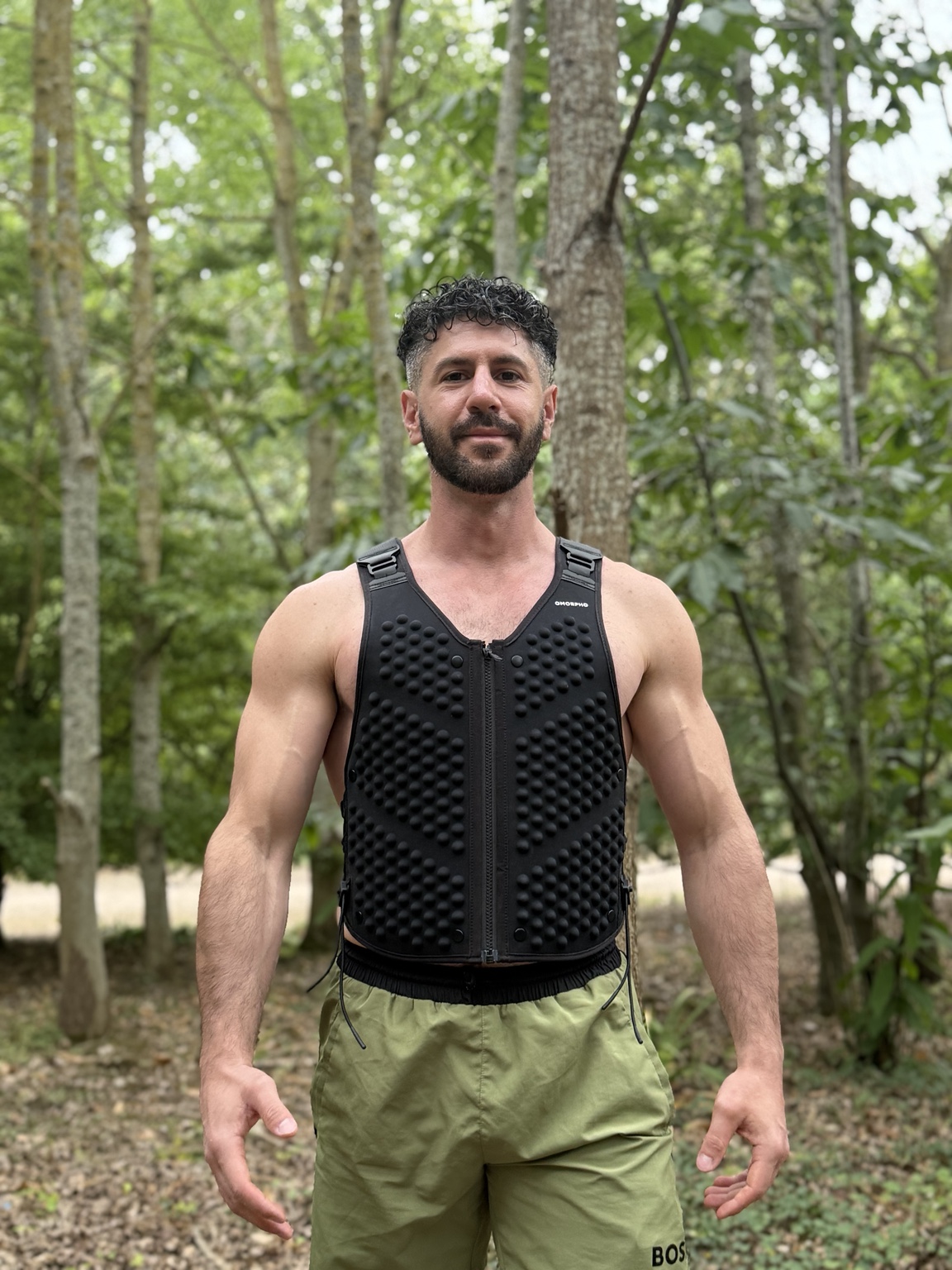
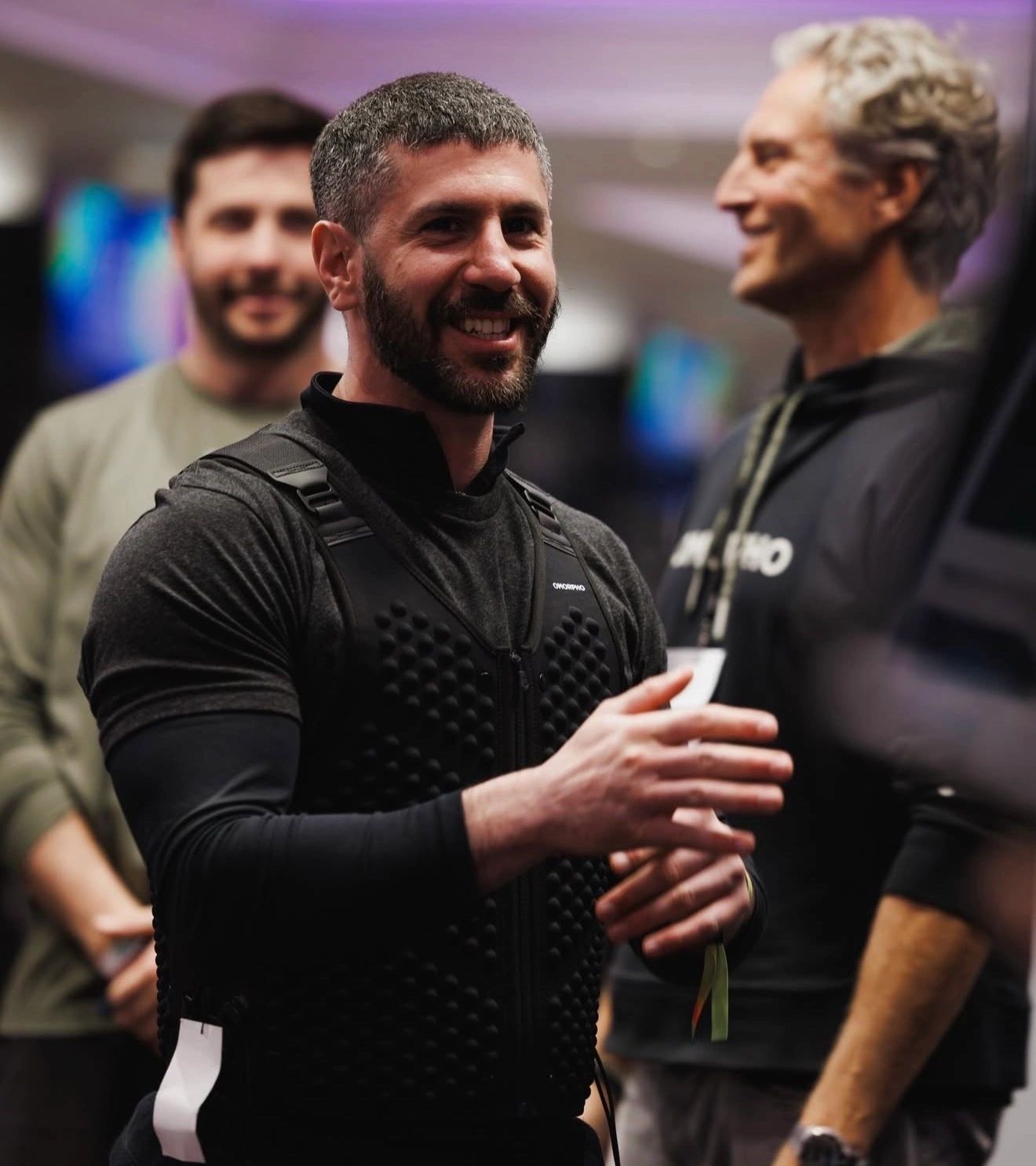
OMORPHO’s MicroLoad™ design distributes small weights across the vest. The close-fitting design, comfort and freedom to move are what make it my top equipment recommendation.
Get 15% off when you shop through my link. I also earn a commission on qualifying purchases. You’ll browse and purchase directly from OMORPHO.
MEET YOUR COACH
Knowledge. Experience. Personal attention.
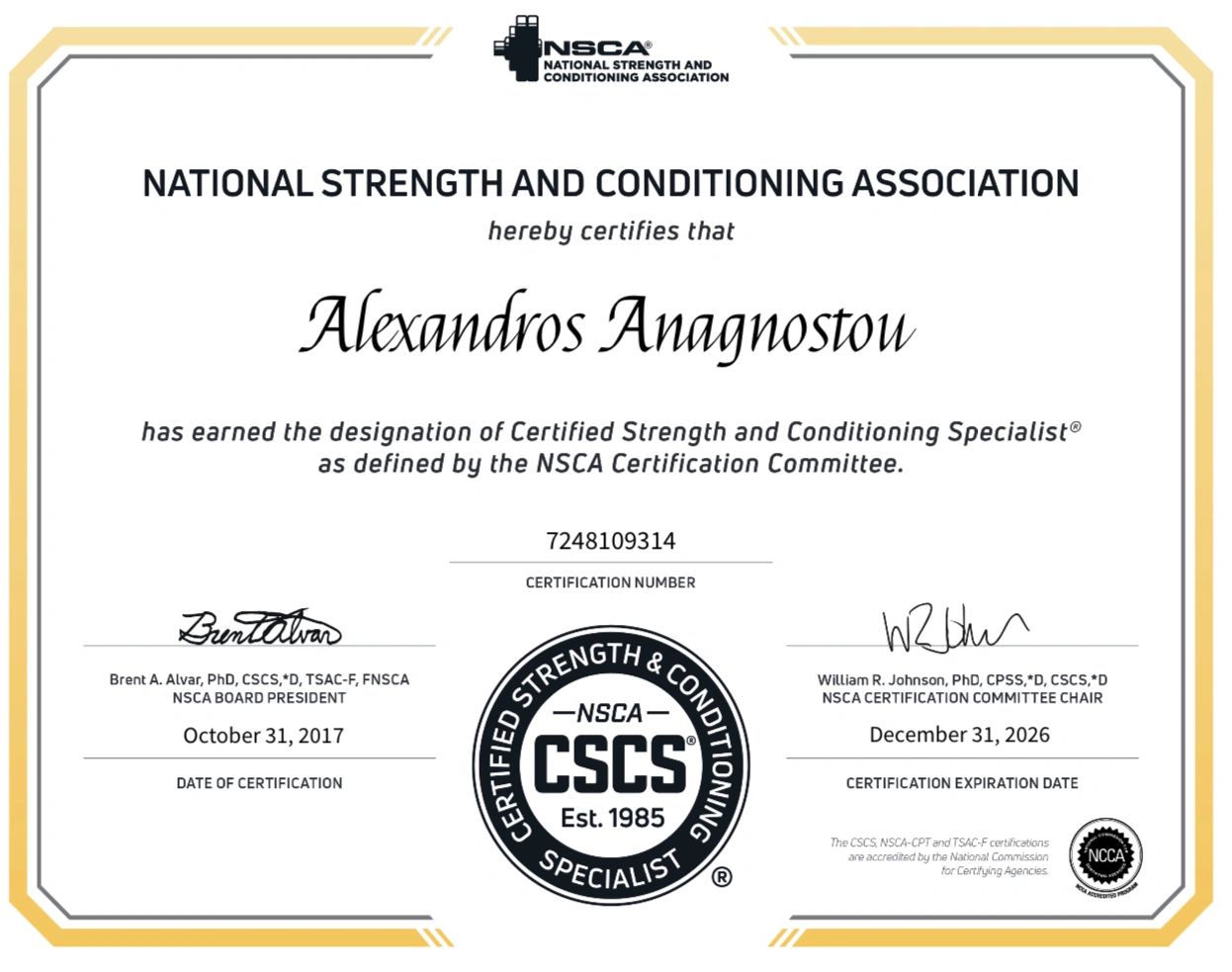
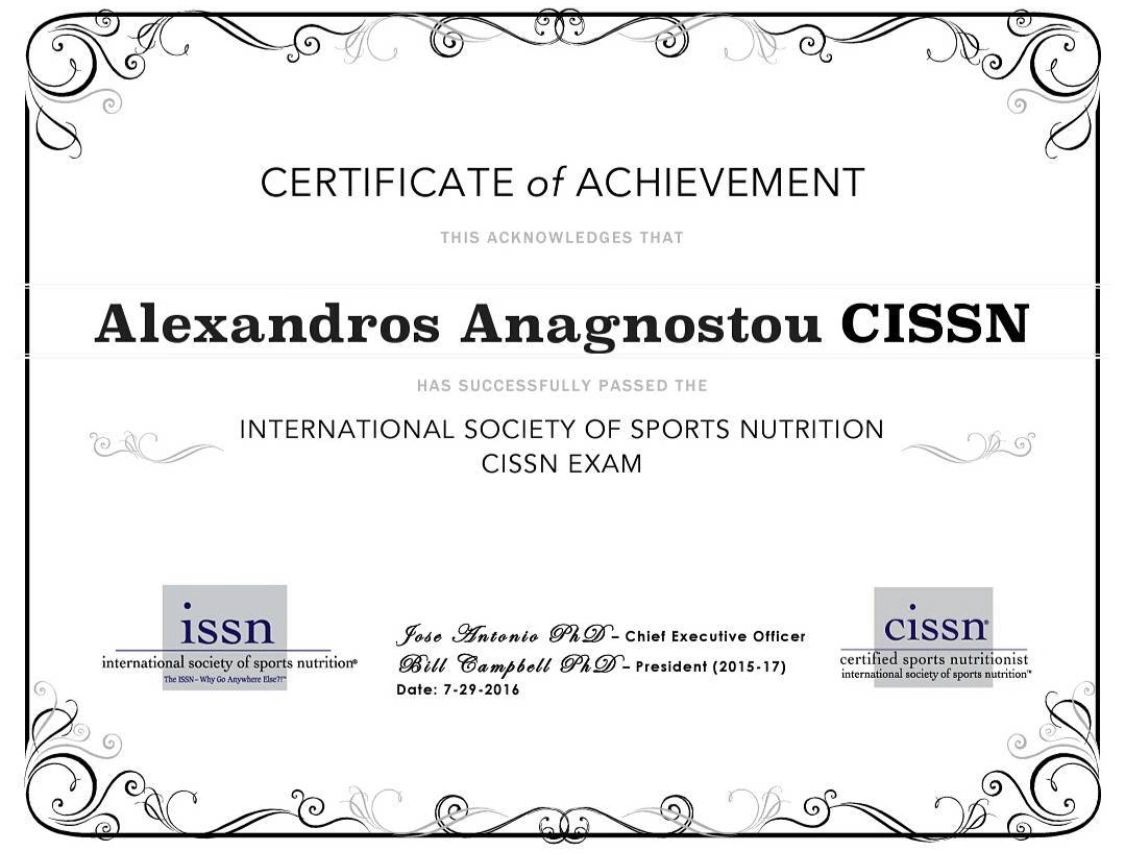
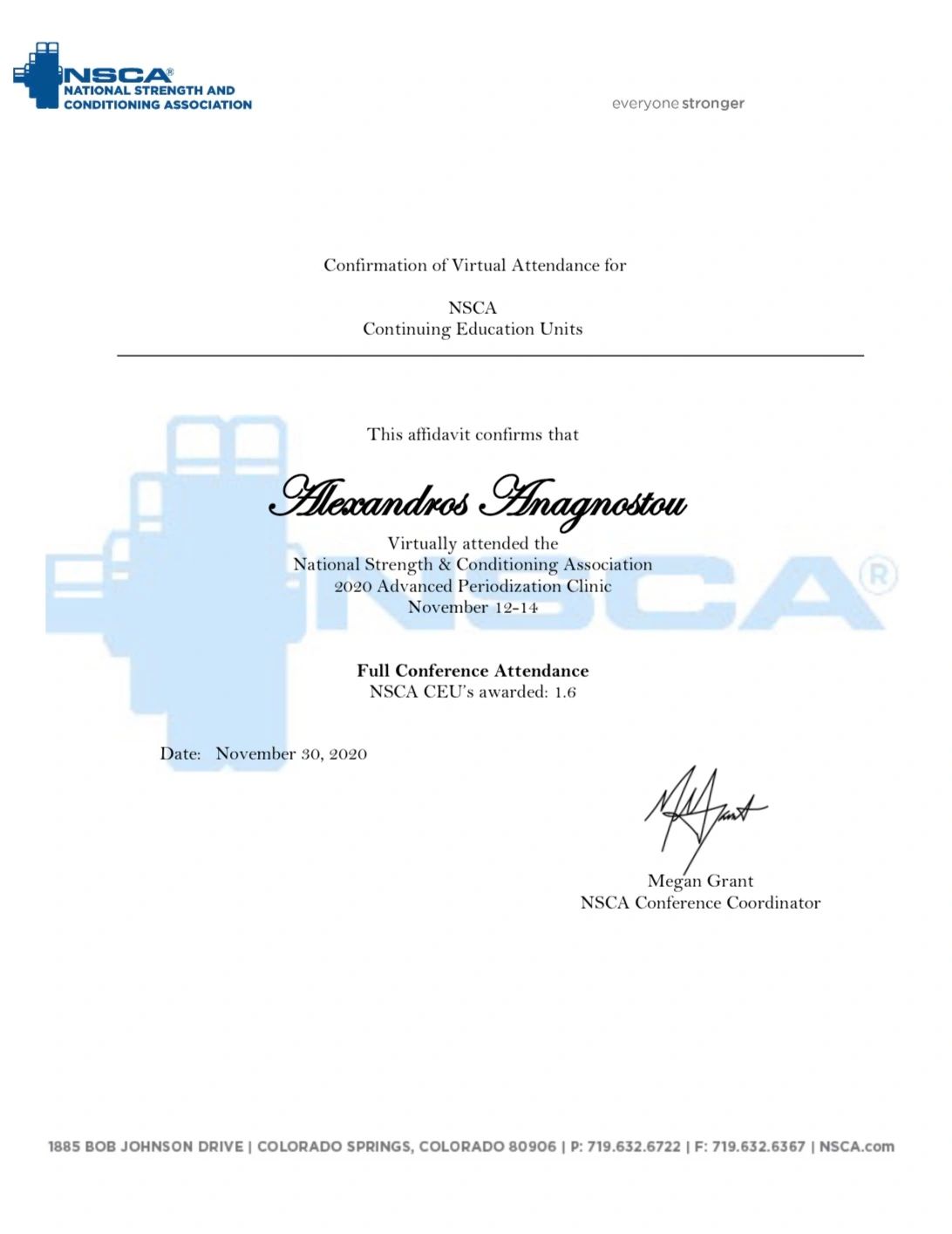
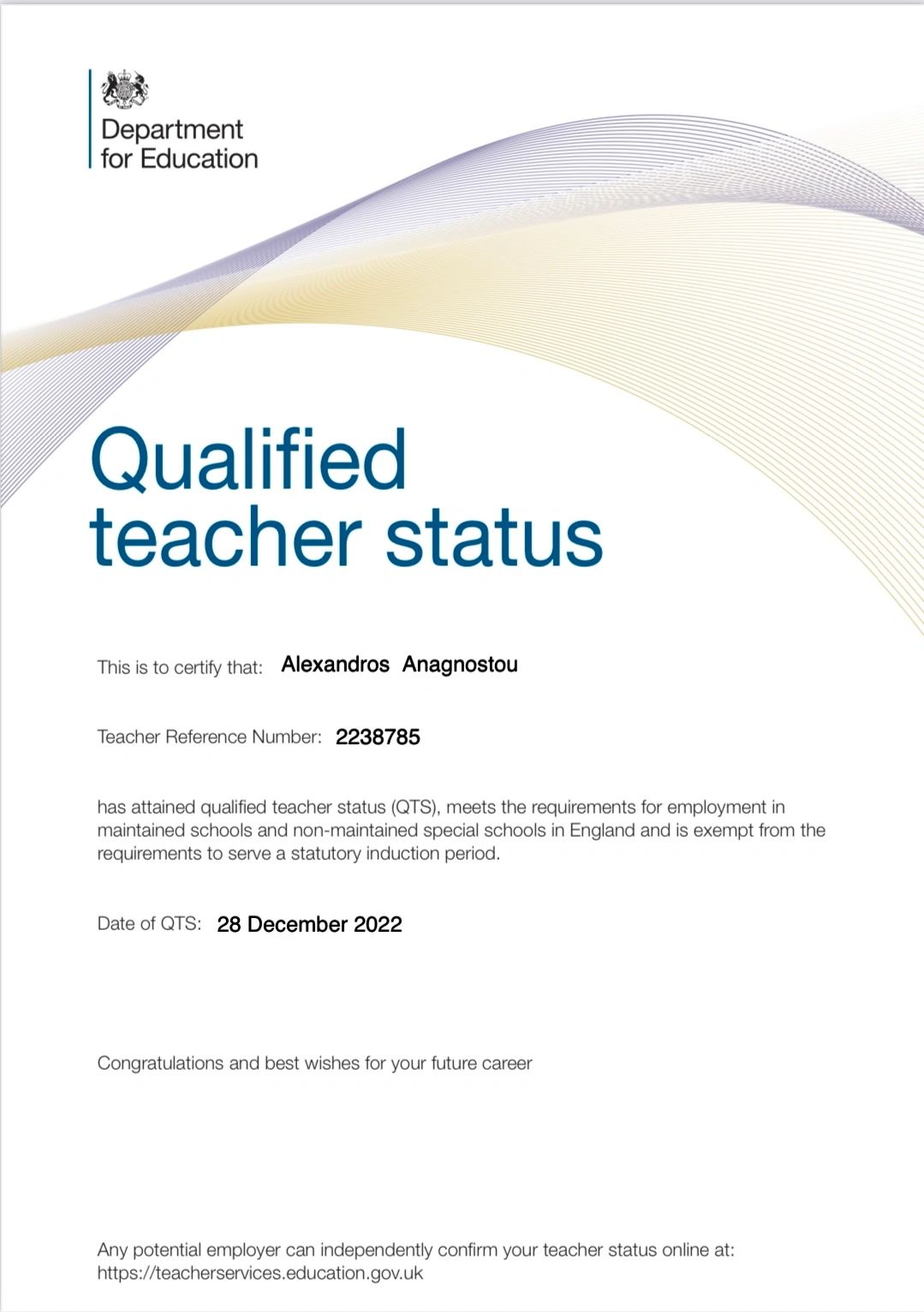
I’m Alexandros Anagnostou. My background combines national-level decathlon in Greece with a BSc in Physical Education and Sports Science, an MSc in Strength and Conditioning, and CSCS and CISSN credentials.
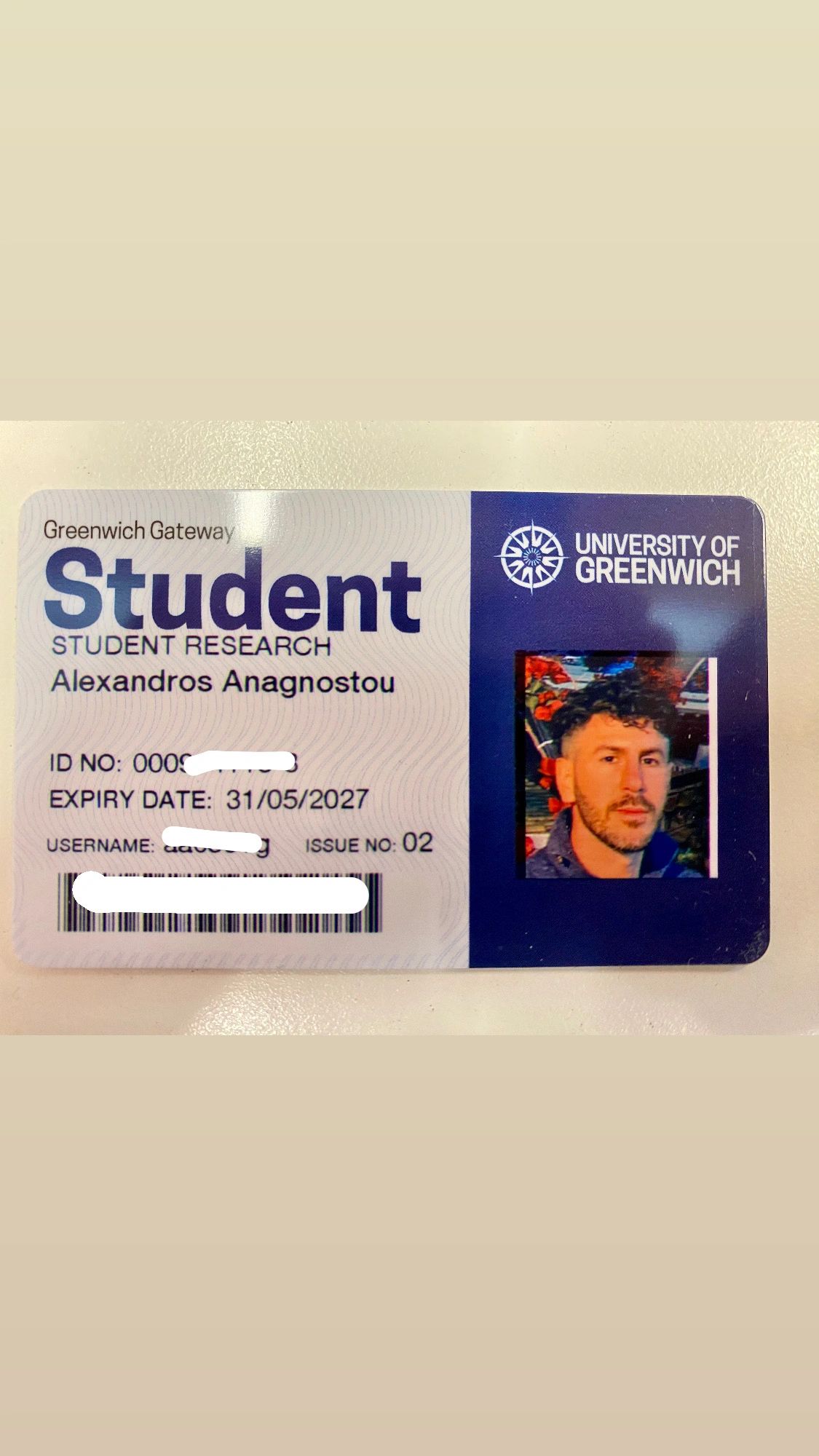
As a PhD research student in nutrition and metabolic health, I bring a research-informed approach to practical training, nutrition and recovery.
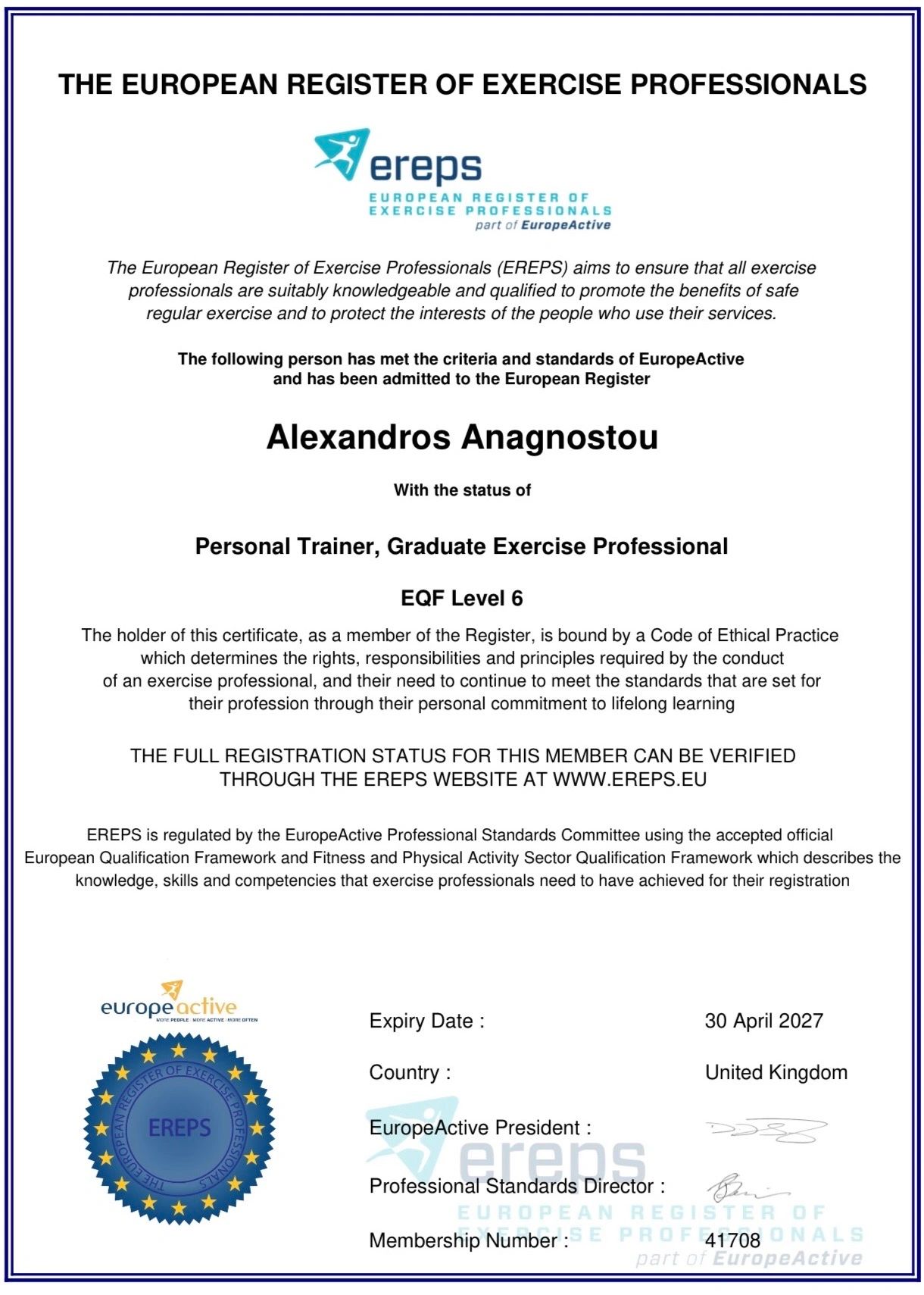
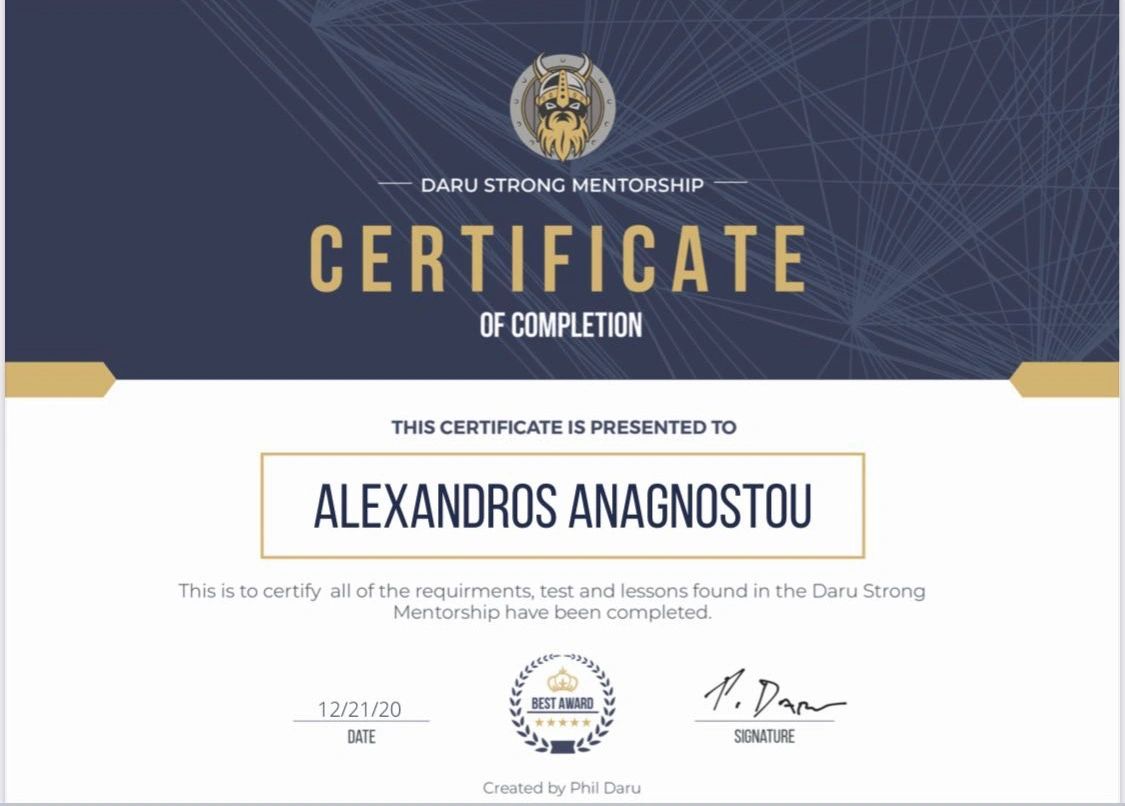
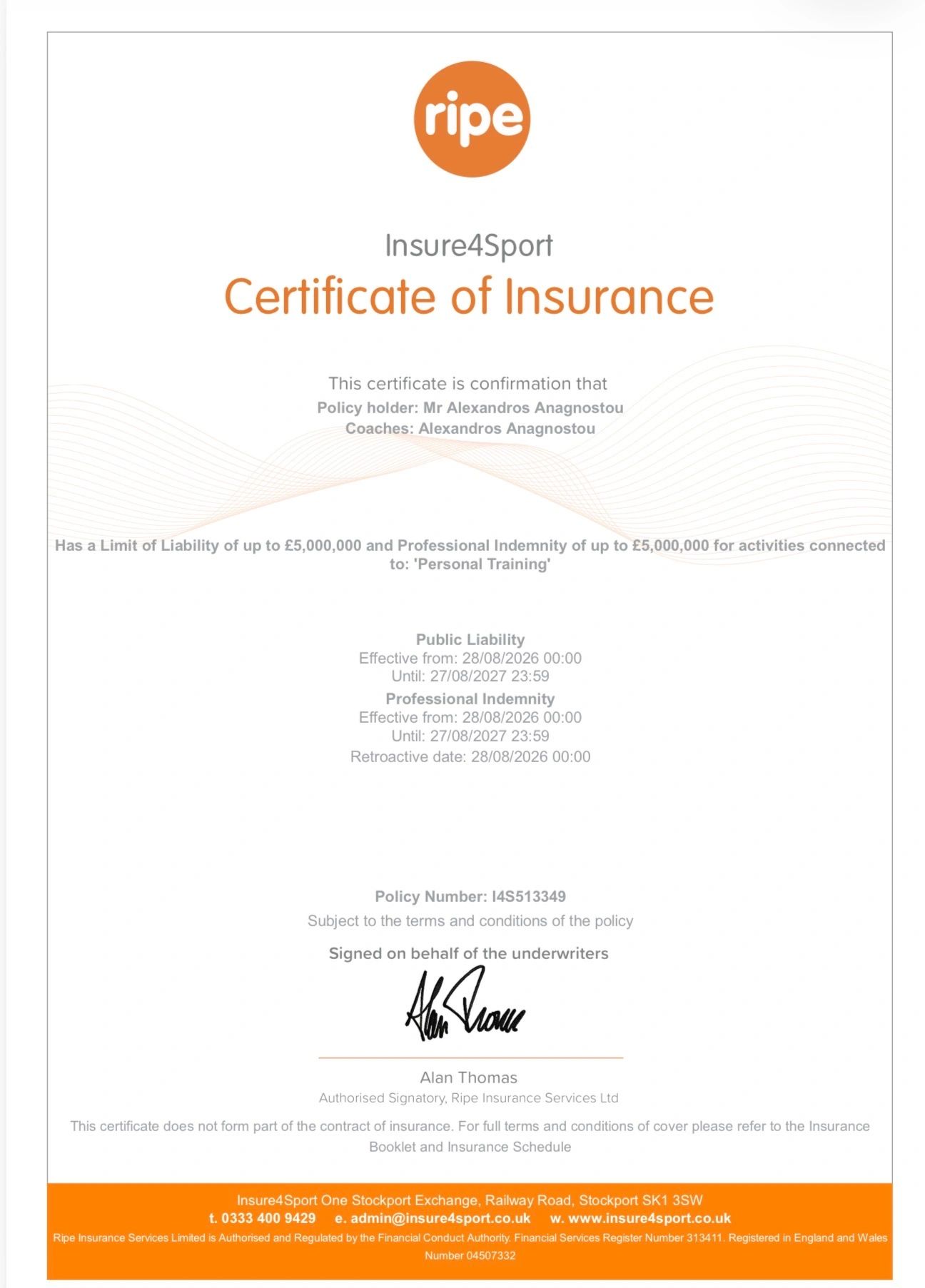
Explore my academic background, professional credentials and supporting documents.
1 / 9
2 / 9
3 / 9
4 / 9
5 / 9
6 / 9
7 / 9
8 / 9
9 / 9
01 / 09
PhD research student
I was awarded a scholarship for three years of full-time PhD research in human sciences, focusing on nutrition and metabolic health. My research helps me examine the evidence behind dietary approaches and bring that understanding into thoughtful, individual coaching.
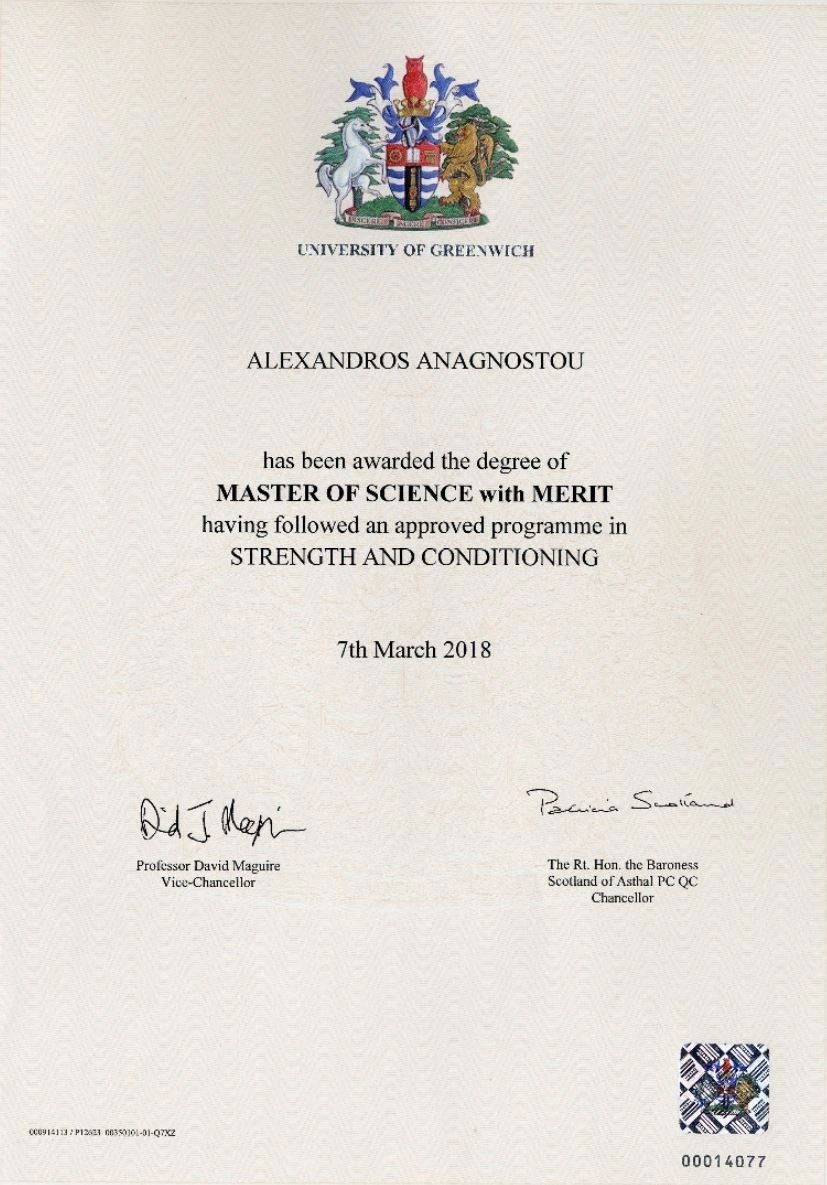
I completed my MSc in Strength and Conditioning at the University of Greenwich, awarded with Merit in 2018. This academic foundation informs how I plan, assess and progress training for different goals.
Certified Strength and Conditioning Specialist (CSCS)
My CSCS qualification is awarded by the National Strength and Conditioning Association (NSCA). It supports my work in exercise technique, programme design and physical preparation for sport.
My CISSN qualification is awarded by the International Society of Sports Nutrition. I bring this sports nutrition knowledge into practical guidance on food, fuelling and supplementation alongside your training.
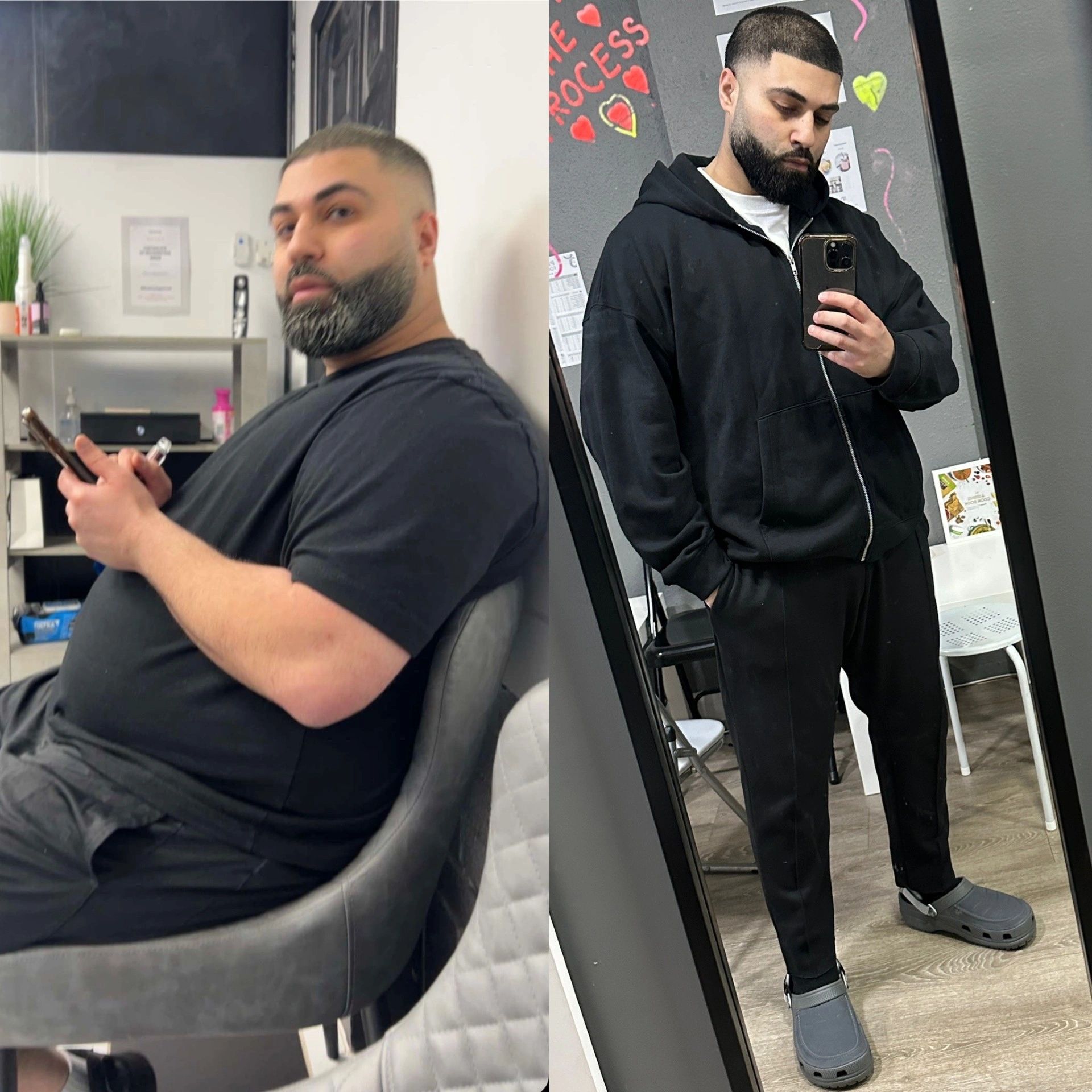
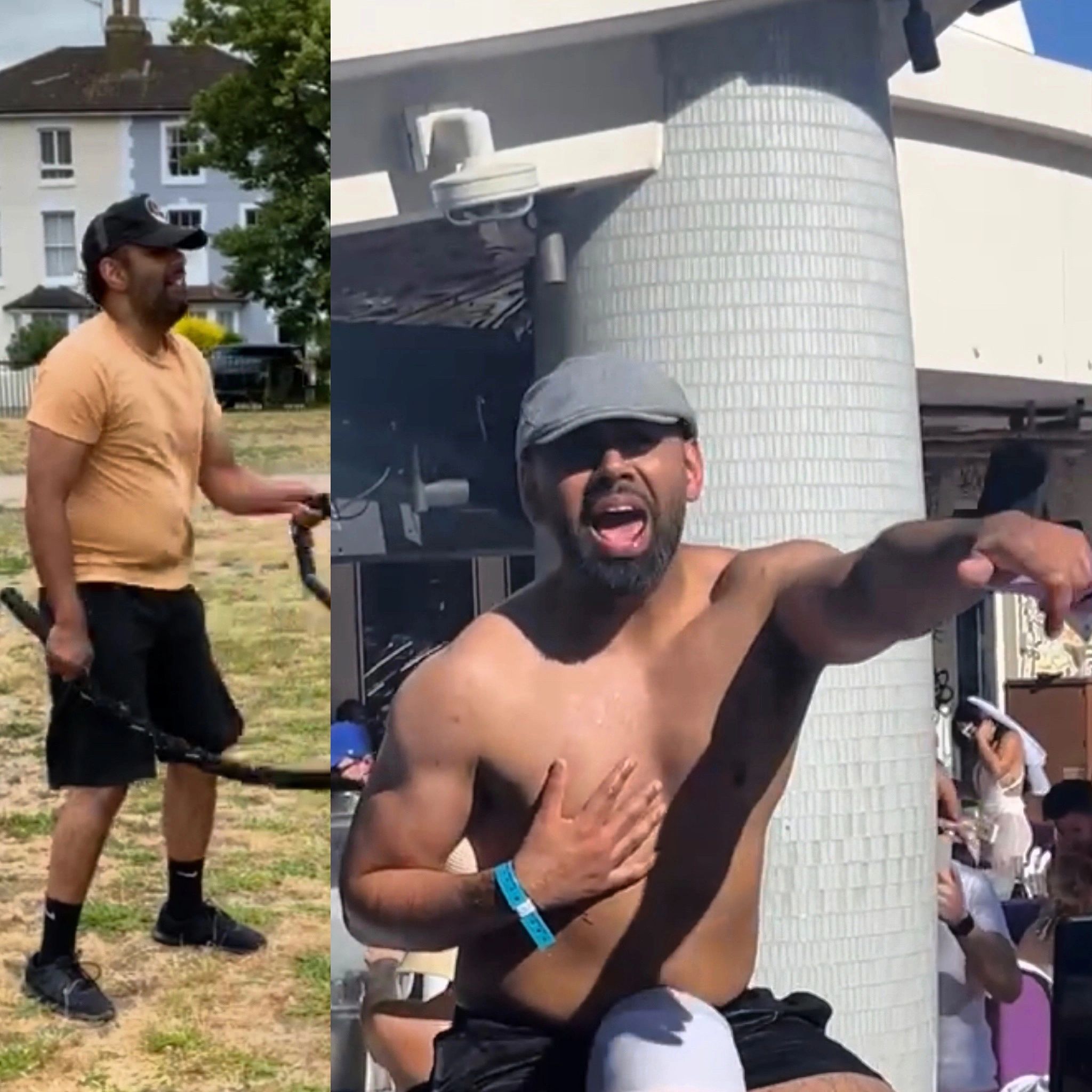
@kafeelofficial1 reduced his body weight from 125.2 kg to 93.2 kg during a 106-day weight-loss phase. That is a 32 kg change, approximately 70.5 lb or just over five stone, across approximately 15 weeks.
A structured plan, consistent habits and regular progress tracking supported this phase of his coaching.
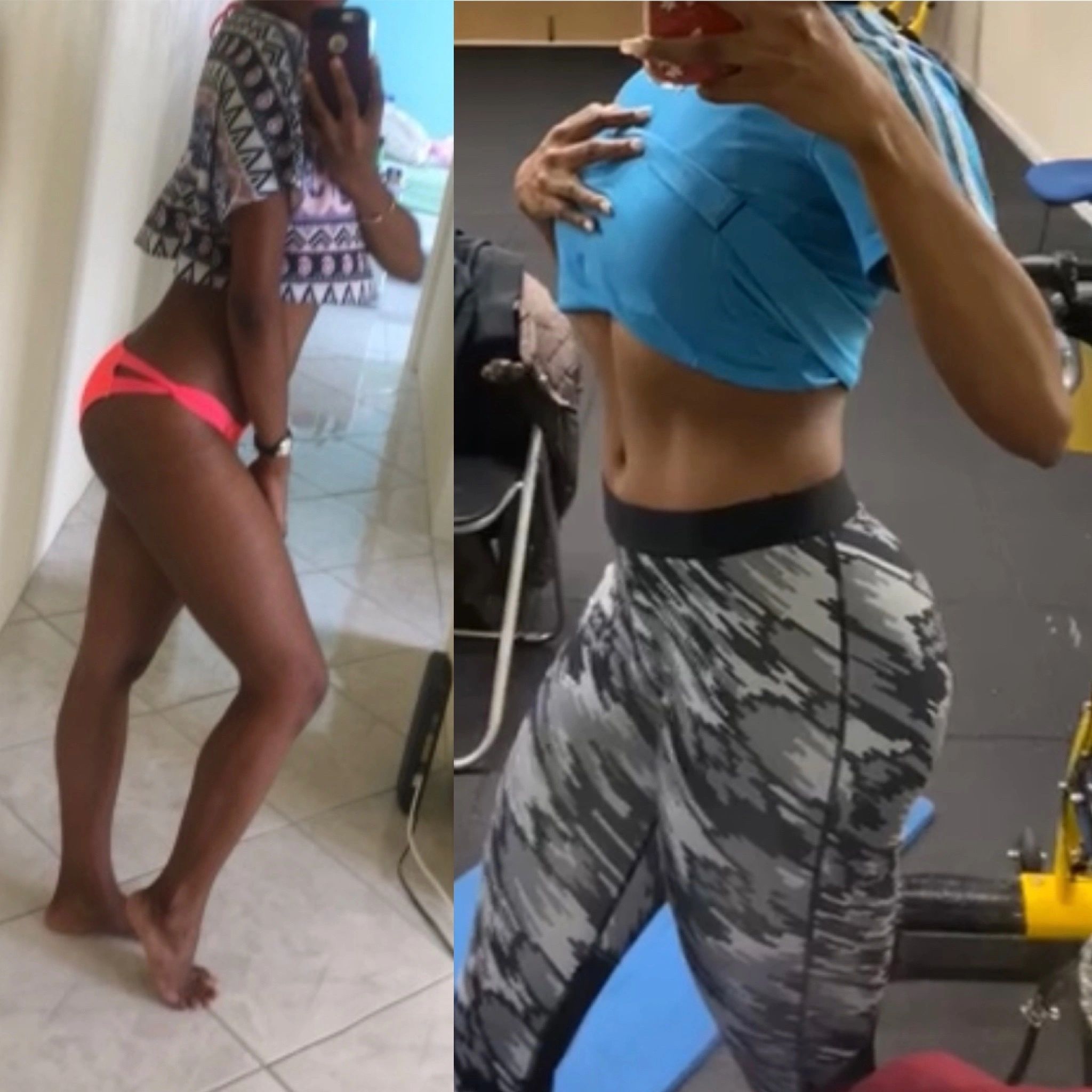
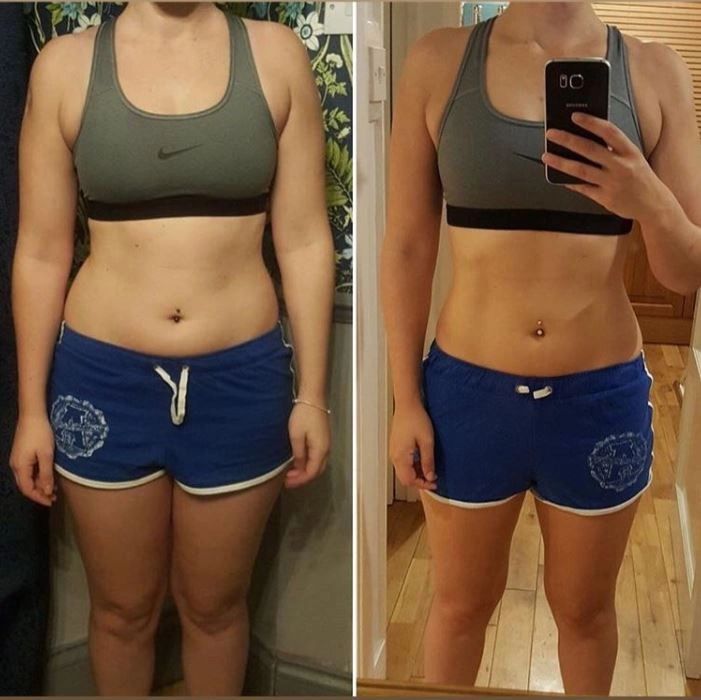
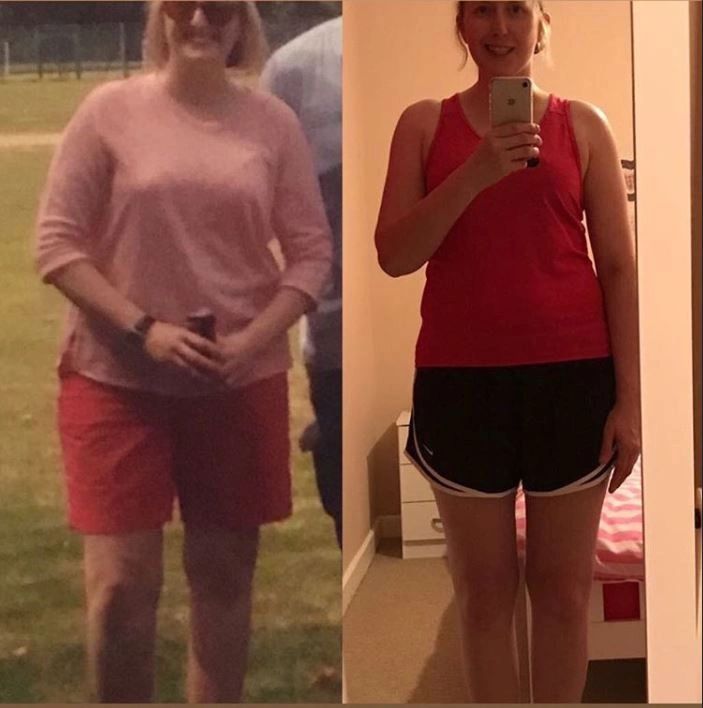
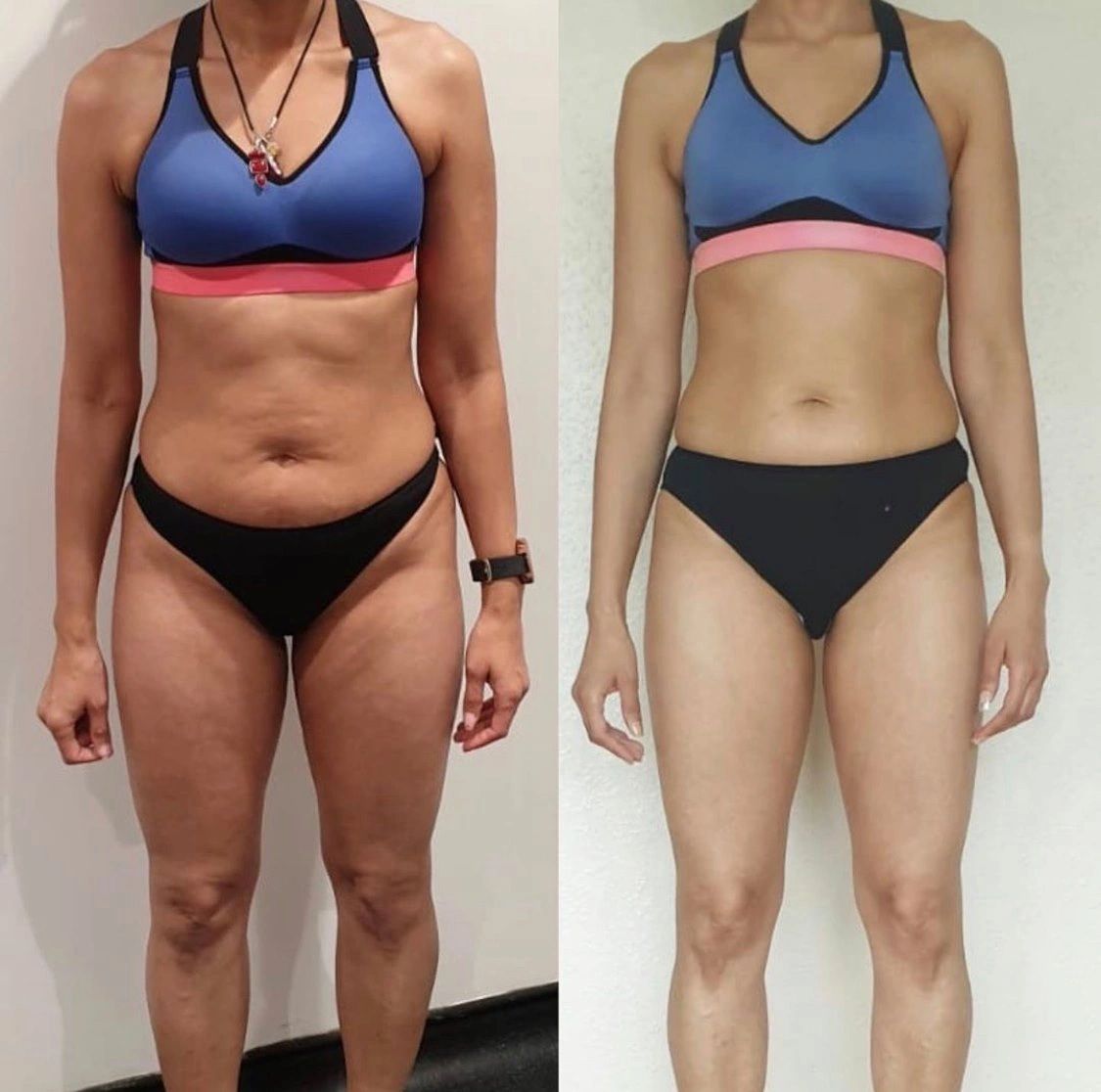
After six months of resistance training and a calorie surplus, this client achieved the physique she wanted while gaining 8 kg in body weight. I’m proud of the strength and consistency behind that progress.
For women who are unsure about lifting weights, this is a useful reminder that scale weight is only part of the picture. Building muscle can support the shape and definition you are working towards.
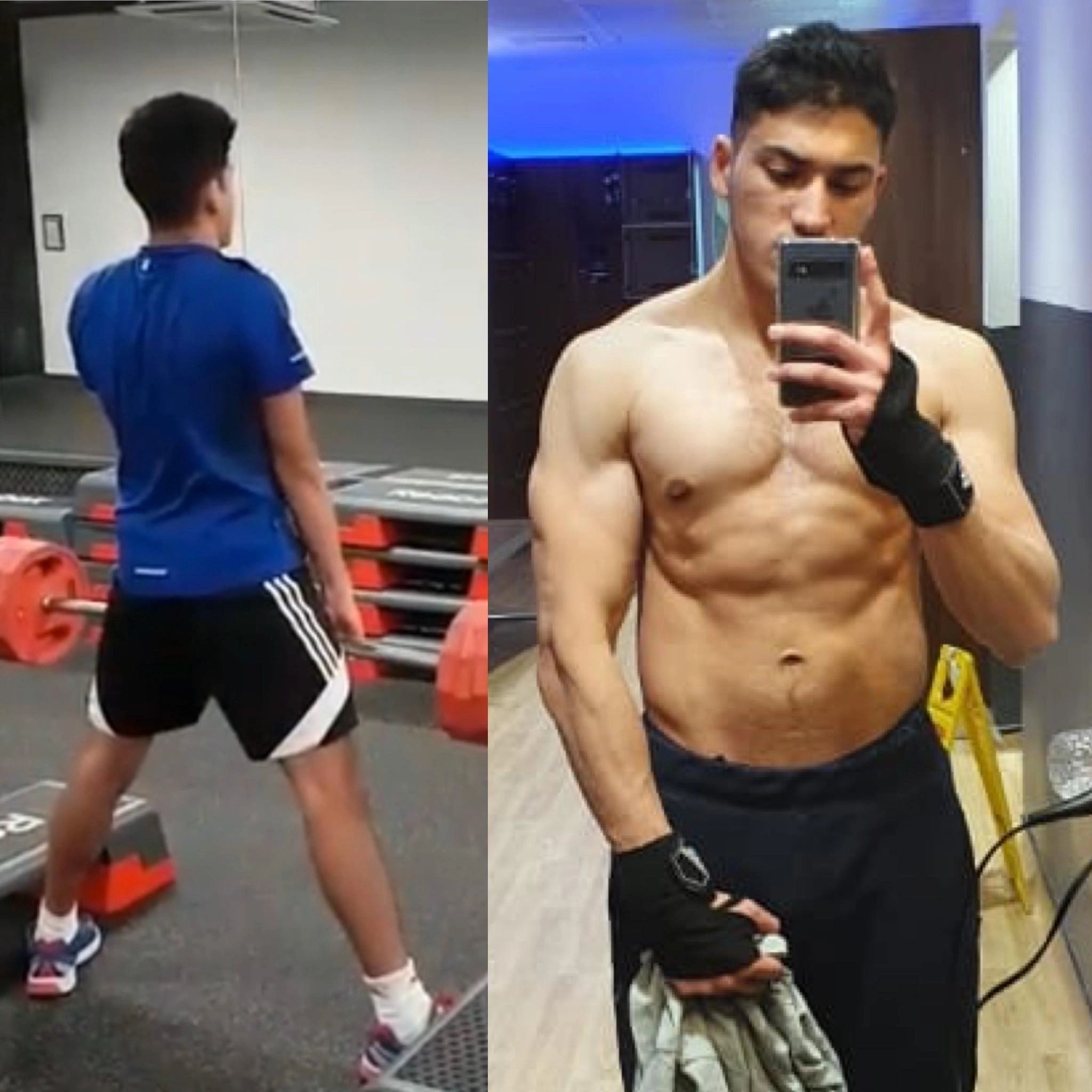
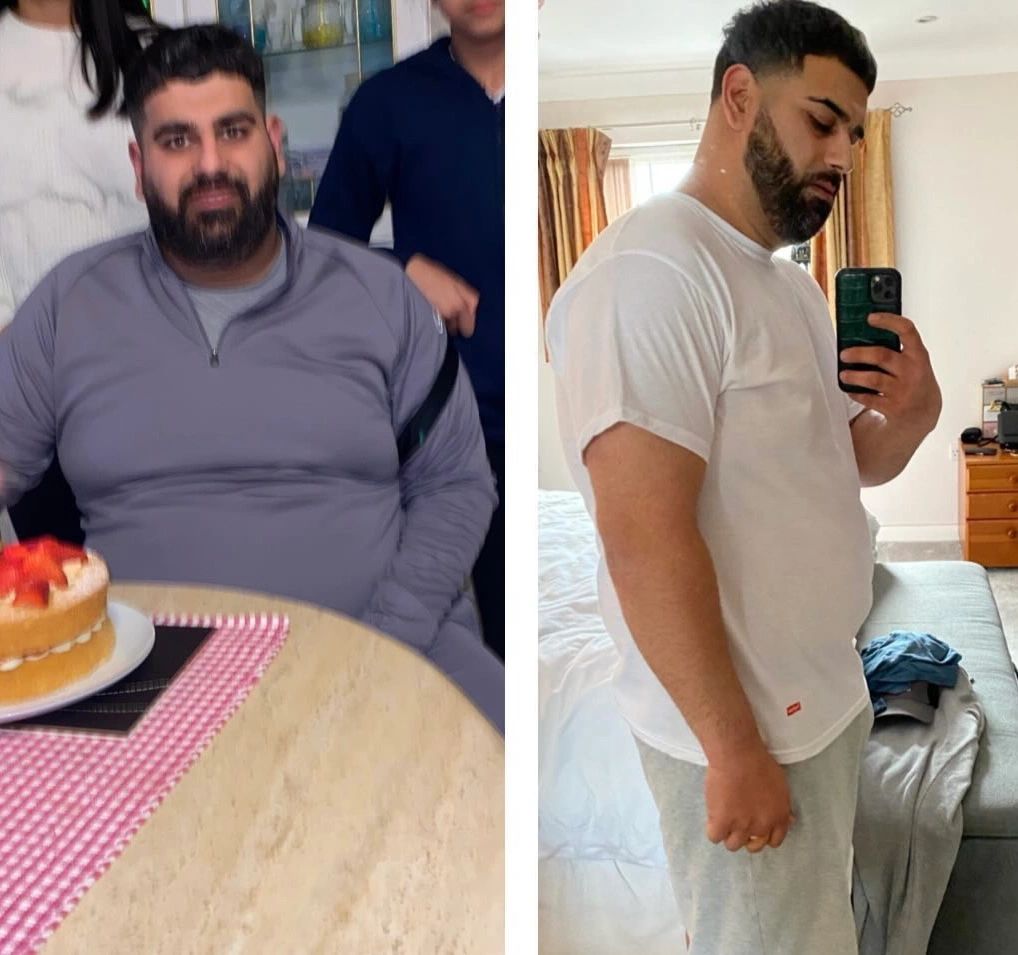
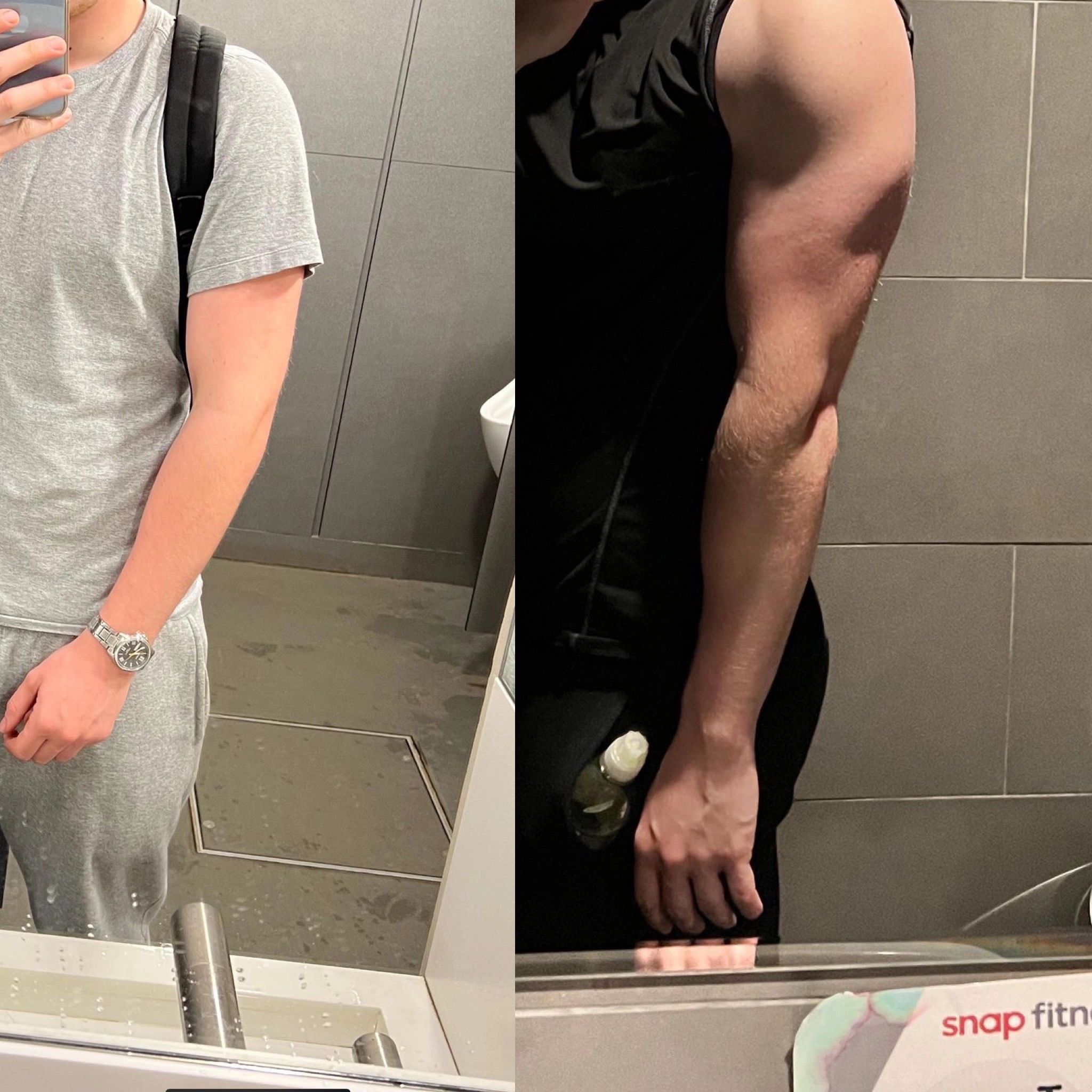
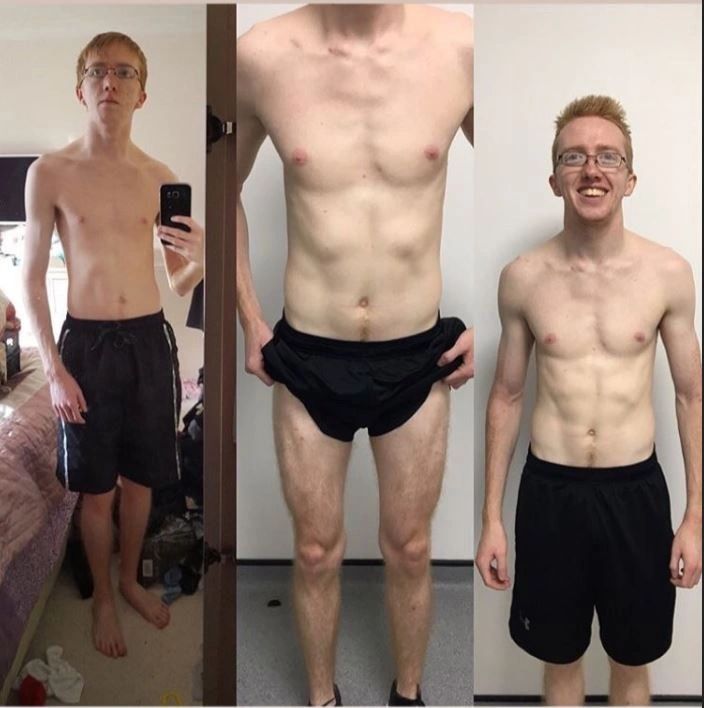
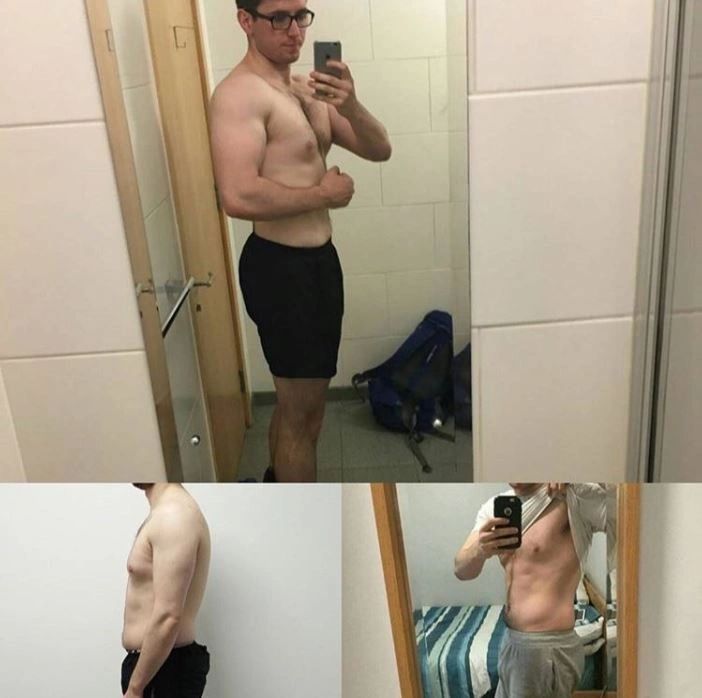
@ish_456 trained four times a week across nearly four years, finding time around university, football, work, religious commitments, social life and periods of injury.
He started at around 60 kg. The early work addressed muscular imbalances and postural weaknesses while developing familiarity with the fundamental exercises. By that stage, his body weight was around 68 kg, before a later muscle-building phase took him to 86–87 kg.
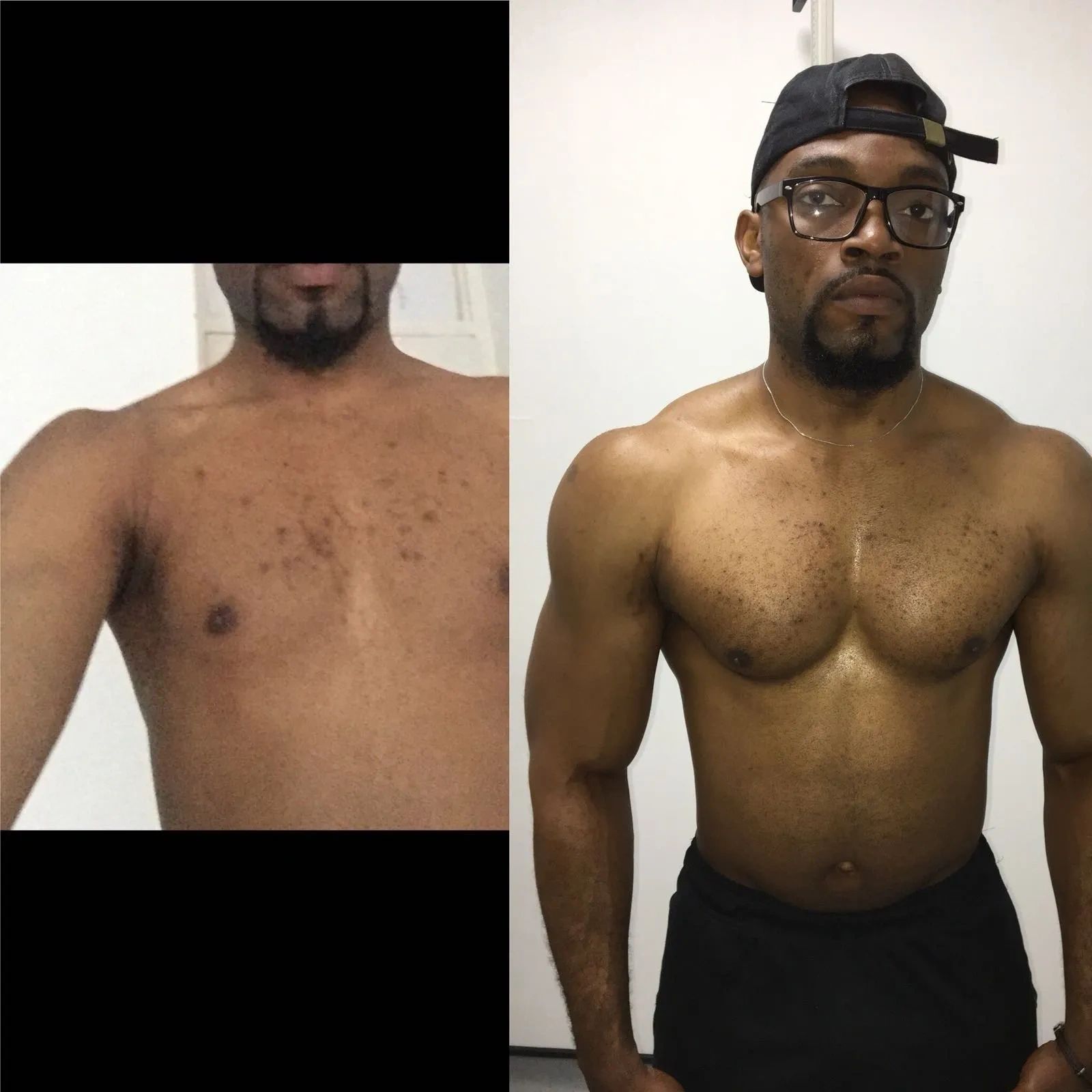
Across a coaching journey of slightly more than two years, @a.orhiere changed his lifestyle and eating habits without a rigid diet or training plan. He reached his body-weight goal in less than a year and maintained it through the period covered here.
Body weight: 96 kg to 75–77 kg
Body fat: a reduction of more than 10%
Best deadlift: 105 kg for three repetitions
Alongside the weight change, his training produced substantial improvements in strength.
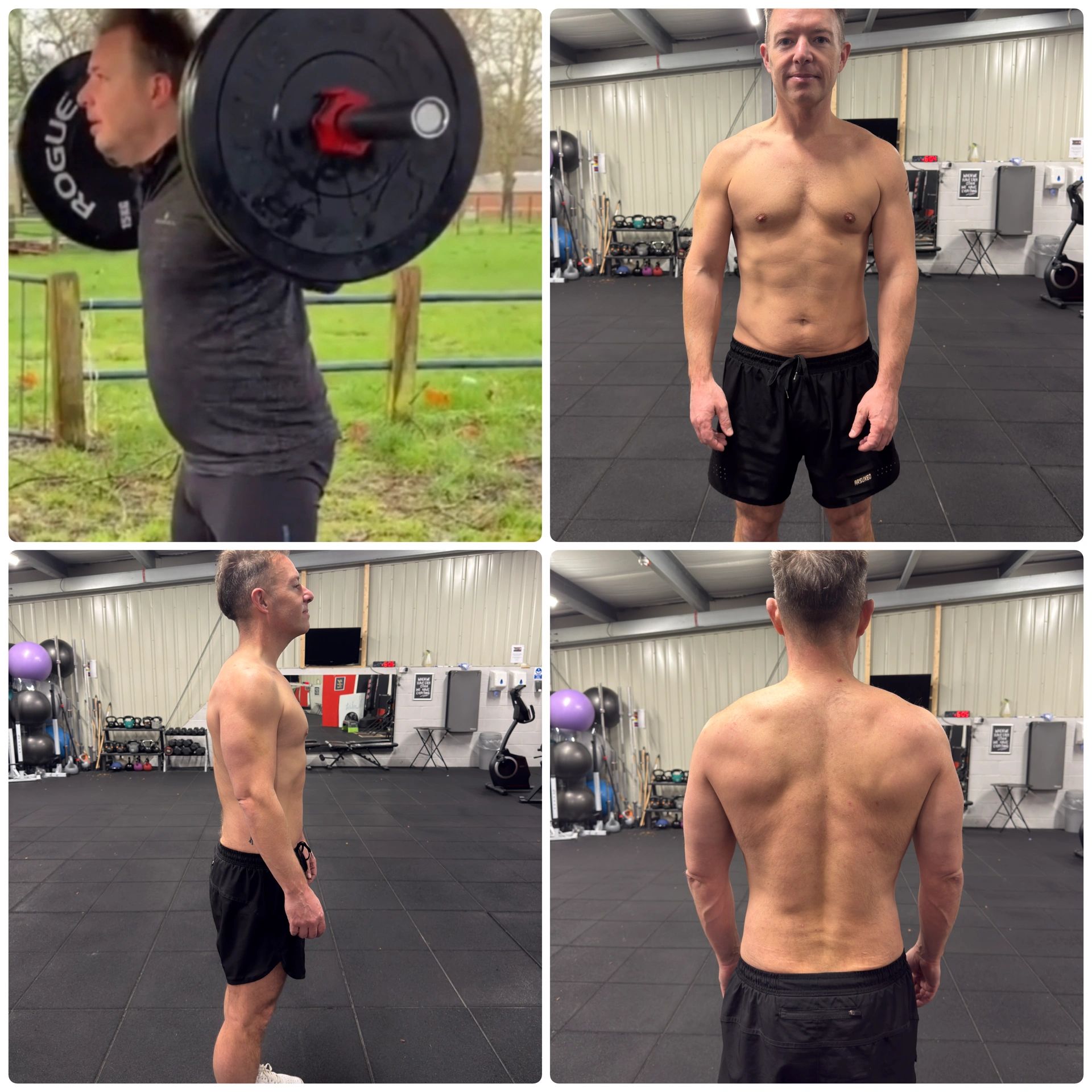
@cihanalex followed his training and nutrition plans consistently. Over the first three and a half months, his body weight changed from 93.5 kg to 83 kg and recorded body fat from 23.7% to 14%.
I then shifted the programme towards Olympic weightlifting, retaining muscle-development work and adjusting nutrition to support performance.
The top photograph shows his physique at the five-month stage of this process.
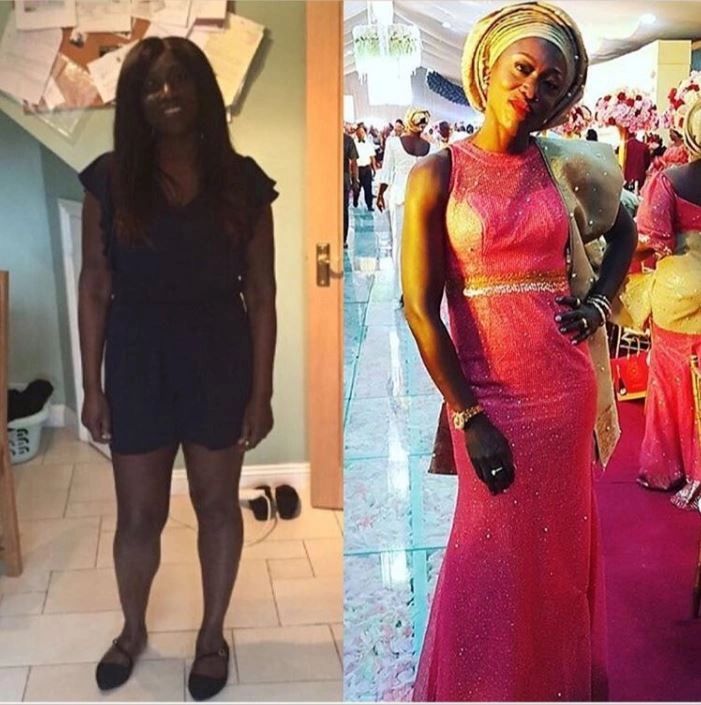
Rav: building strength through changing circumstances
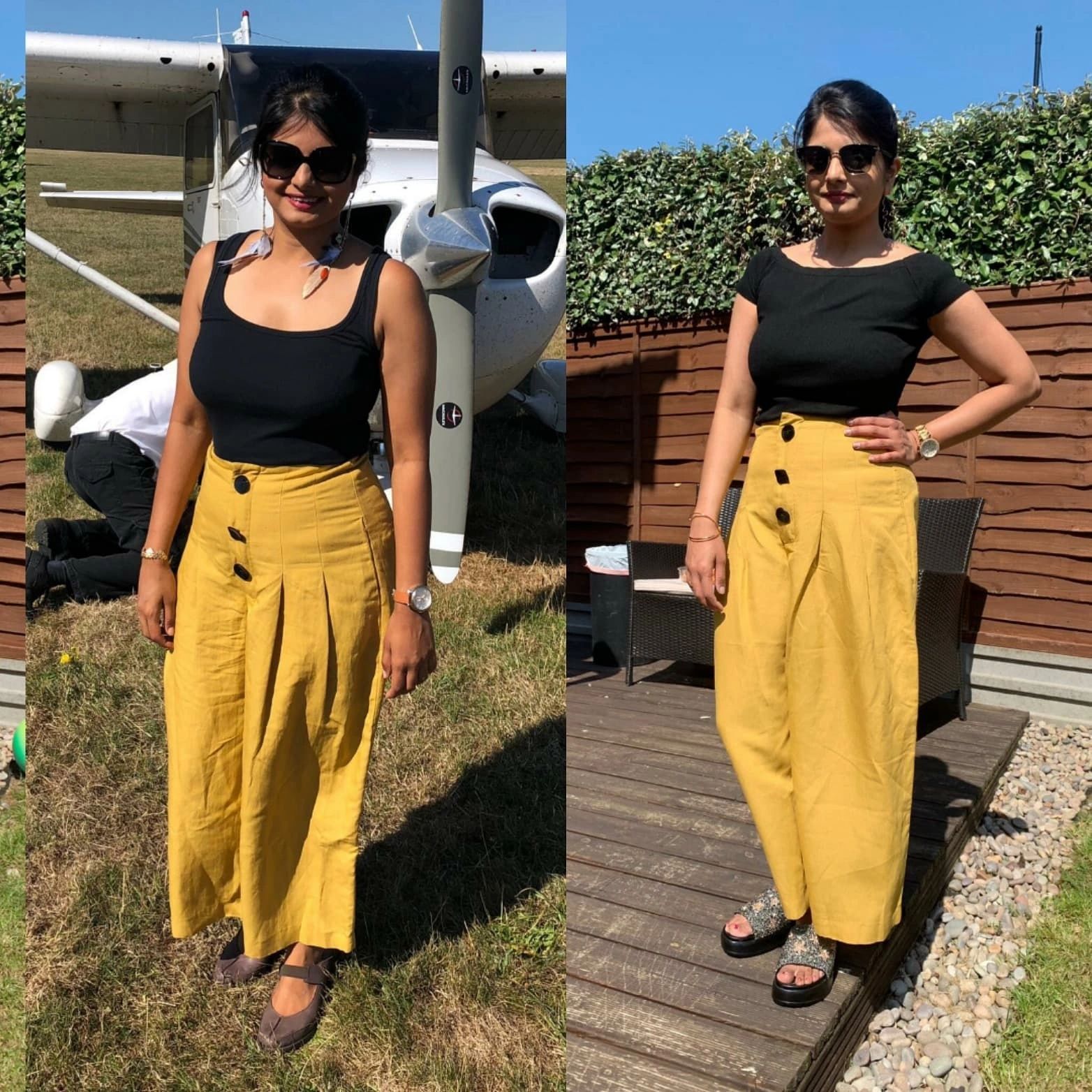
Rav’s coaching journey covered more than a year, initially with one session a week. During lockdown, sessions moved online and additional free time allowed her to train almost daily.
Alongside the changes in her physique, she achieved her goal of completing a push-up. By the stage shown here, she could perform more than ten repetitions comfortably.
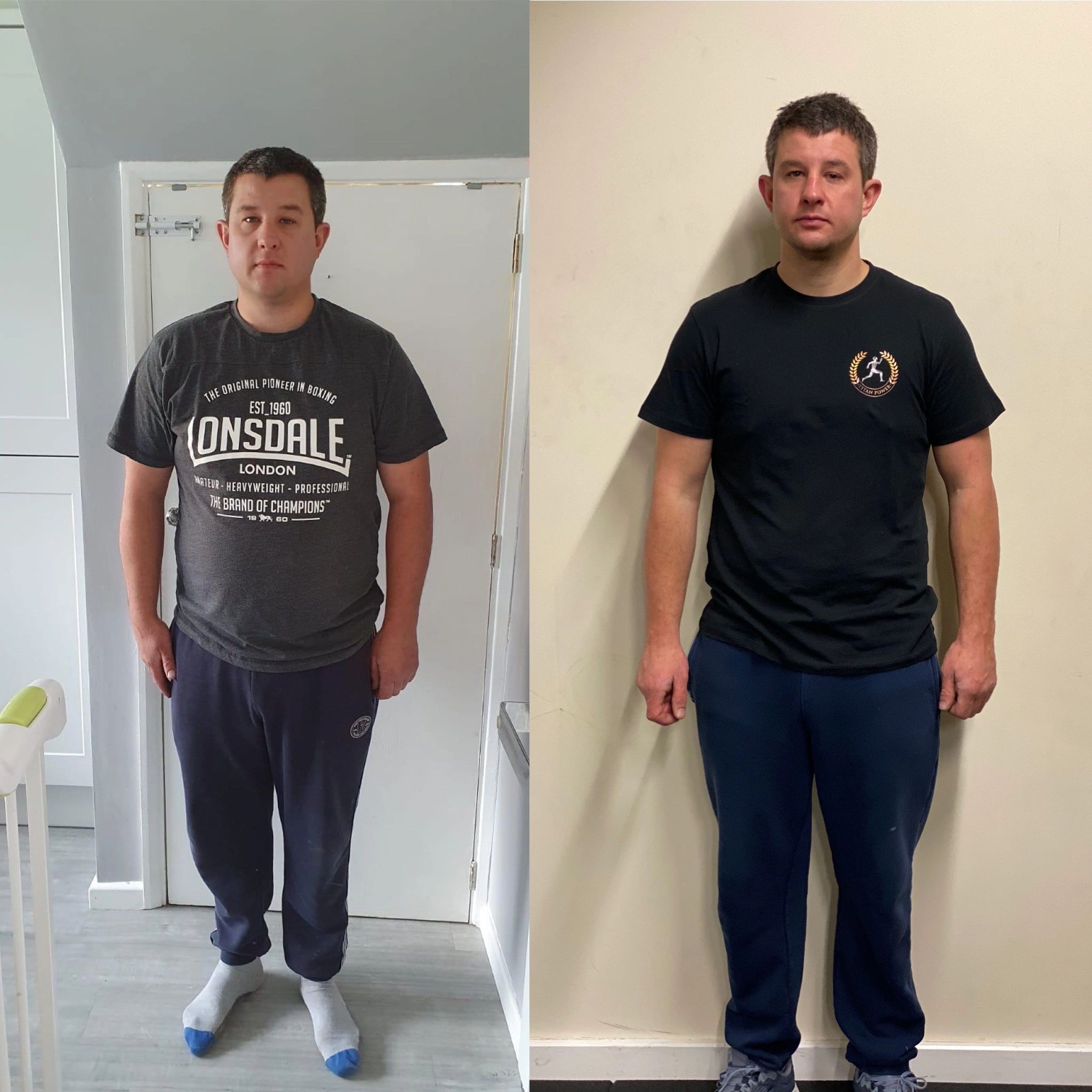
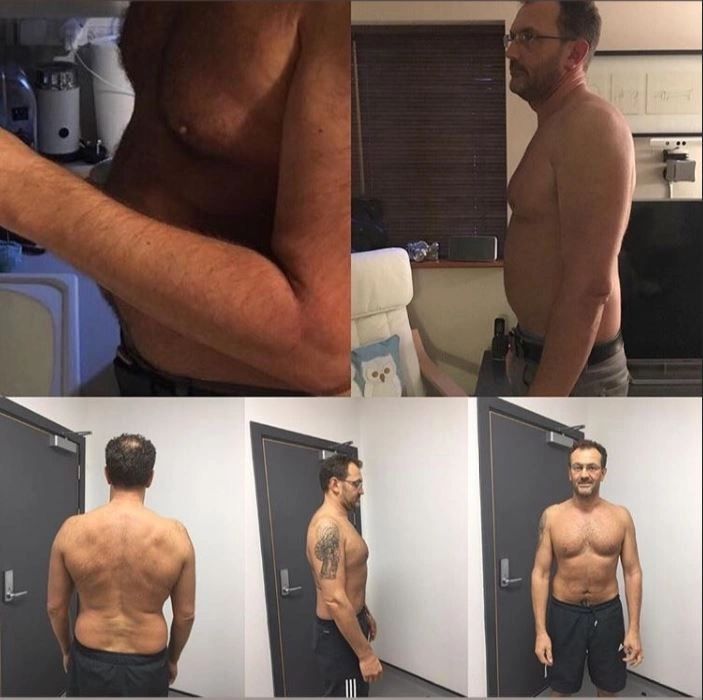
@martyporter1969 was active through his work but had not previously trained in a gym.
This comparison documents three months of resistance training and changes to his eating habits. It captures his progress as he adapted to structured gym training.
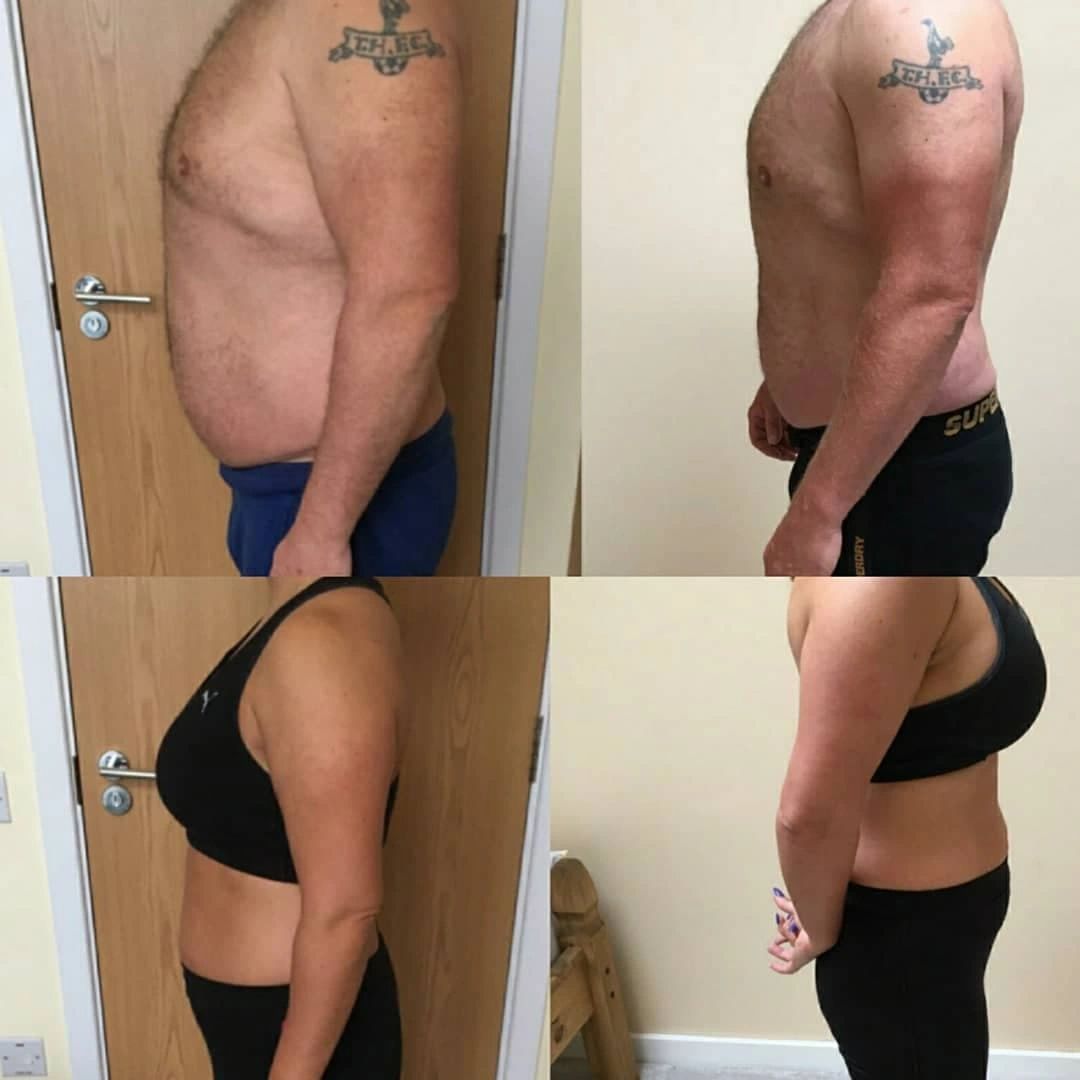
Kelly moved from a cardio-focused routine towards more resistance training, while Tom began training in a gym for the first time. Both followed an individualised high-protein, moderate-carbohydrate diet with a modest calorie deficit.
Over four months, they improved their strength and body composition. Tom achieved unassisted pull-ups and a 100 kg bench press for eight repetitions. Kelly achieved press-ups with good technique and a 65 kg squat for eight repetitions.
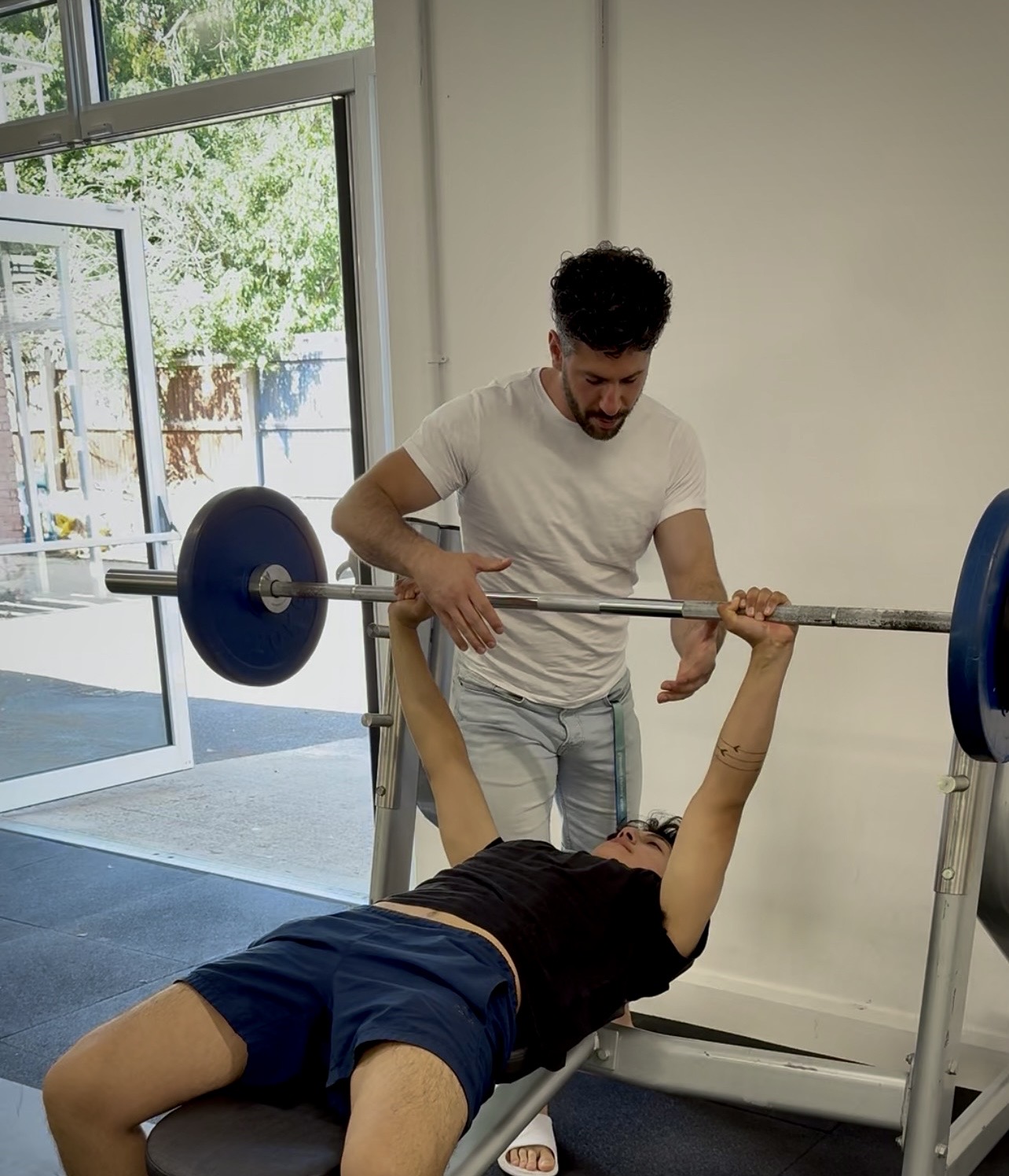 01 / IN PERSON
 TITAN POWERKENT & ONLINE COACHING
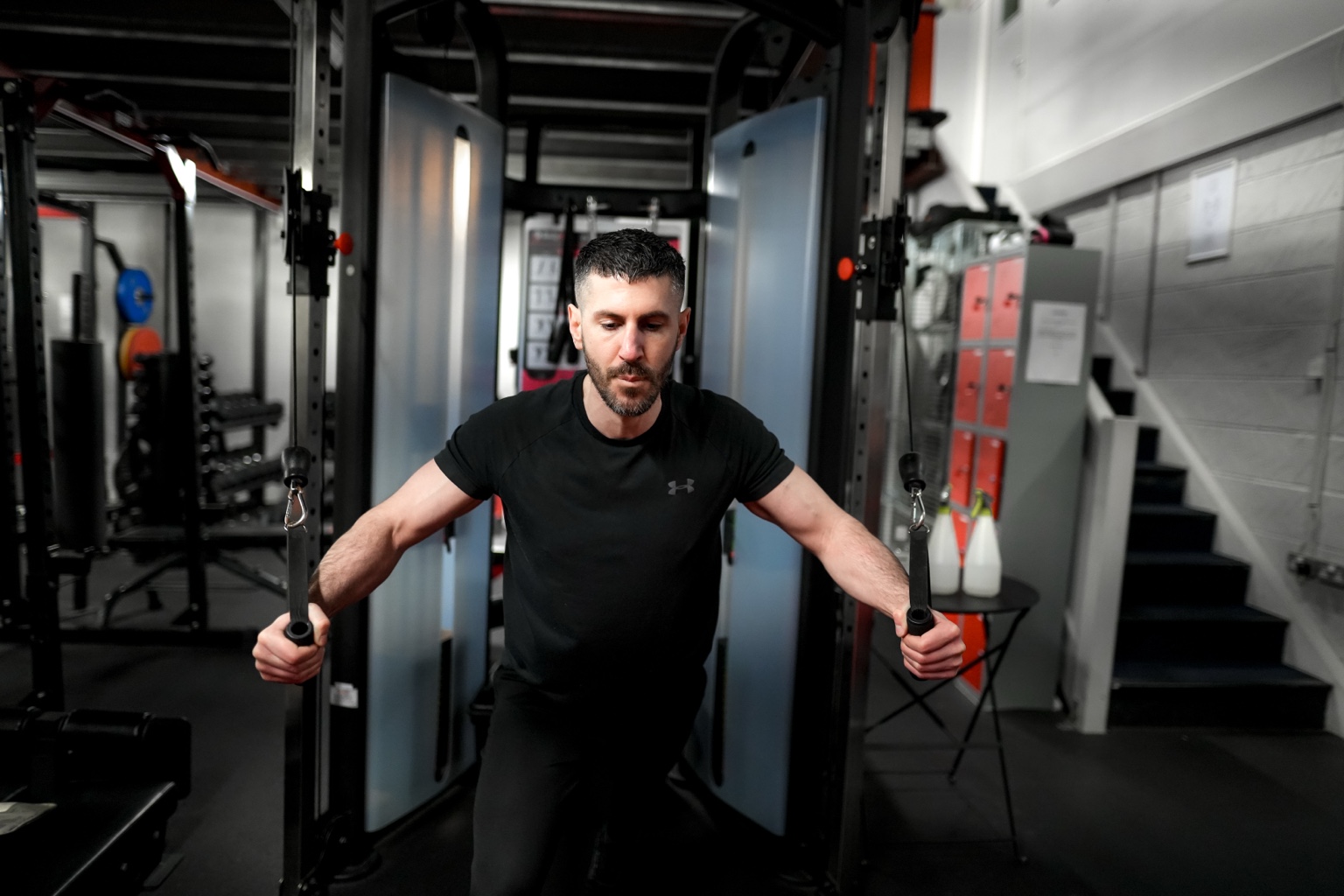 02 / WHEREVER YOU TRAIN
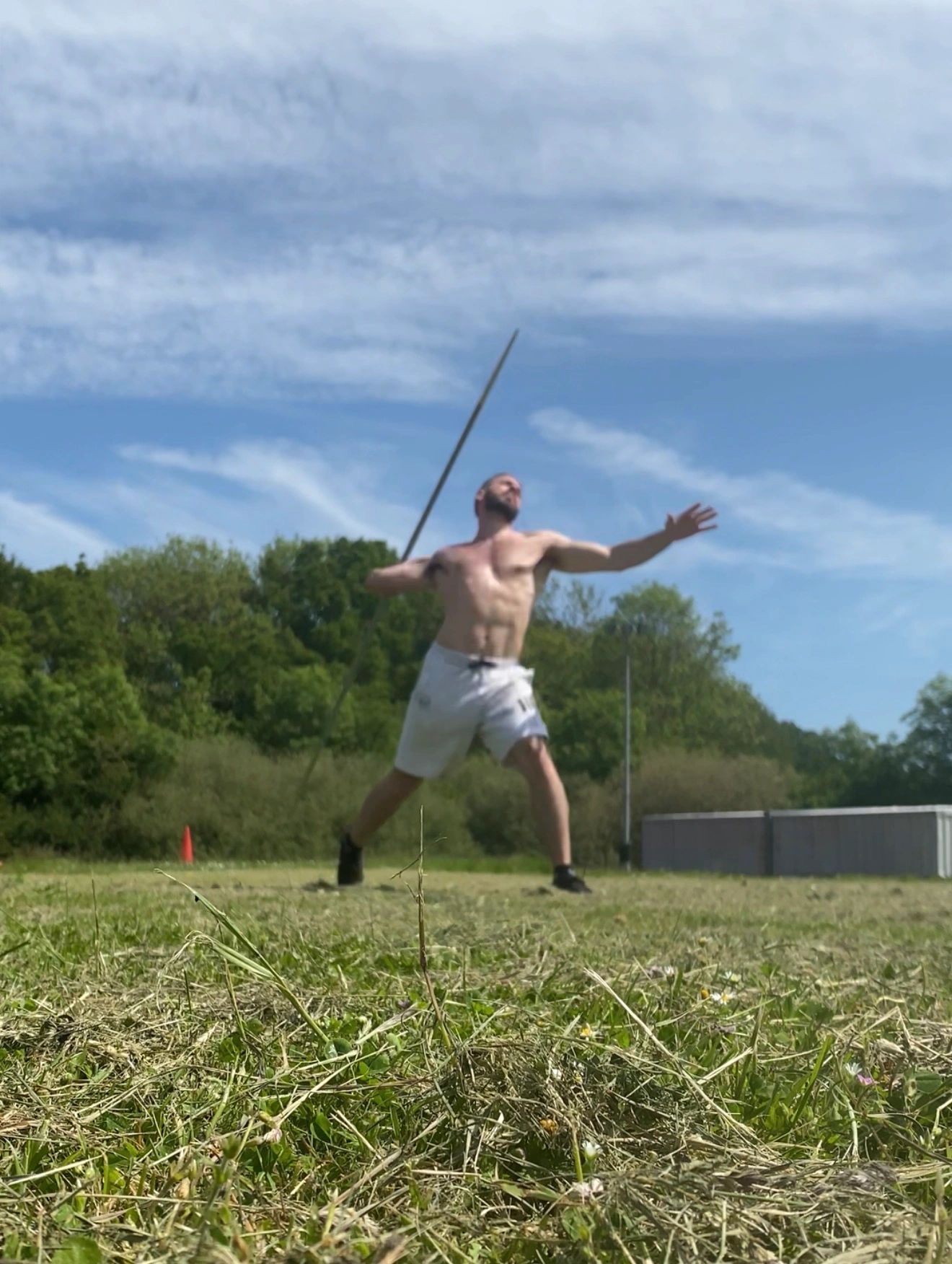 03 / ATHLETIC DEVELOPMENT
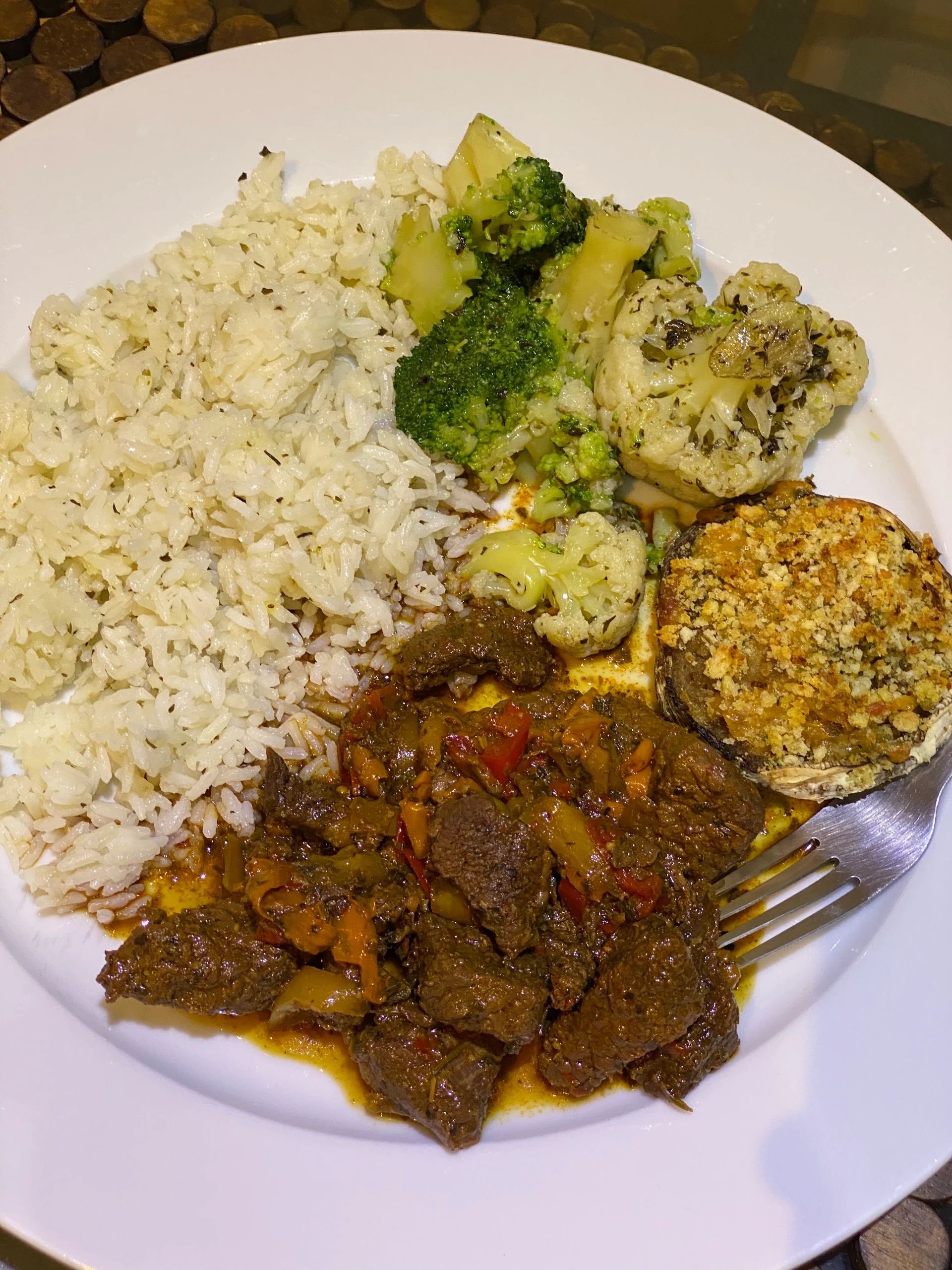 04 / A PRACTICAL START